Don’t Let Tooth Damage Ruin Your Summer Fun!
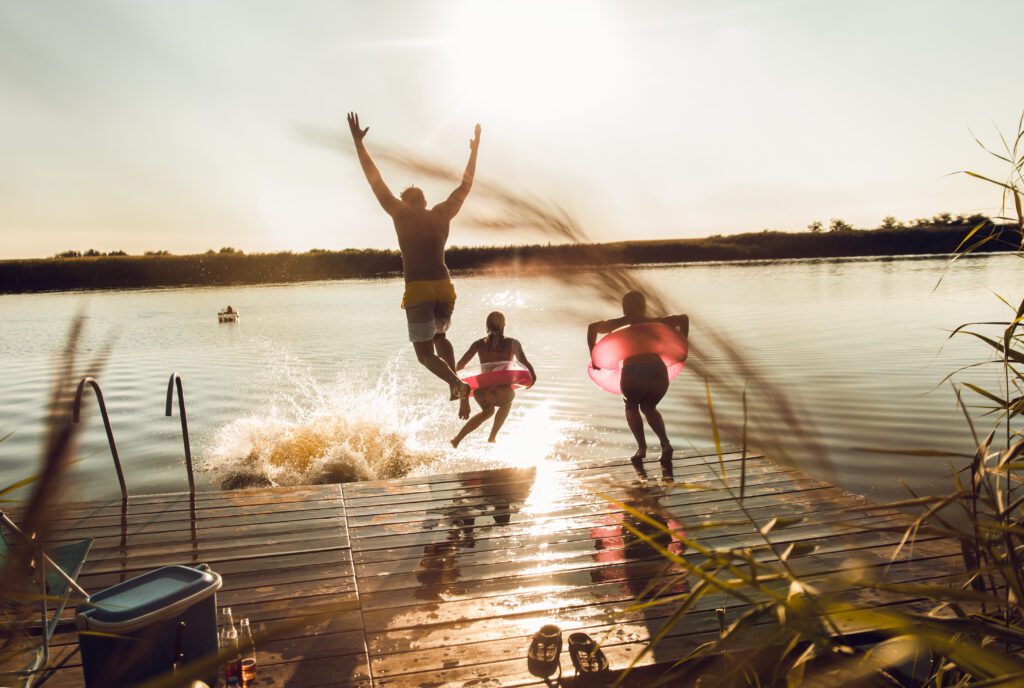
Summer means longer days, more time outside, and for a lot of families in Snellville, that means baseball games, swim meets, soccer practice, and pickup basketball at the park. It’s a great season for staying active, but it’s also a season when we see more tooth damage walk through our doors. Falls, flying elbows, hard balls, and the occasional collision with a teammate can all put your smile at risk.
The good news is that most sports-related tooth damage is preventable. With a little planning and the right gear, you can stay active all summer without putting your teeth on the line. Here’s what you need to know.
What Counts as Tooth Damage?
Tooth damage from athletic activities can range from minor to serious. A chip might happen when a basketball or soccer ball connects unexpectedly with your face. A crack can develop from a hard fall onto pavement or a collision with another player. In more severe cases, a tooth can be knocked loose or even knocked out completely.
Tooth damage doesn’t always show up right away, either. Sometimes a tooth looks fine after an impact but develops sensitivity or discoloration days or weeks later, a sign that the inner structure of the tooth was affected even though the outside looks normal. That’s one reason it’s worth getting checked out after any hard hit to the mouth, even if nothing looks obviously wrong.
Which Summer Sports Carry the Highest Risk?
Some summer activities carry more risk of tooth damage than others. Contact sports like basketball, soccer, and lacrosse are common culprits, since they involve fast movement, close contact, and a real chance of an elbow or a ball catching you in the face. Baseball and softball bring their own risks from bats, balls, and collisions at the bases. Even seemingly low-contact activities like skateboarding, biking, and swimming (think: pool decks and diving boards) send plenty of patients our way every summer with chipped or knocked-out teeth.
The common thread across all of these activities is speed and the unexpected. You can’t always predict when tooth damage might happen, but you can prepare for it.
How Can a Mouthguard Prevent Tooth Damage?
A properly fitted mouthguard is one of the simplest and most effective ways to prevent tooth damage during sports. It acts as a cushion between your teeth and whatever might hit them, whether that’s a ball, an opponent’s elbow, or the ground.
Store-bought “boil and bite” mouthguards offer some protection, but a custom-fitted mouthguard from your dentist provides a noticeably better fit, more comfort, and stronger protection where it counts. A mouthguard that fits poorly can actually be worse than no mouthguard at all, since it might slip out of place at exactly the moment you need it most. If your child plays a contact sport this summer, ask us about a custom mouthguard before the season gets underway.
What Should You Do If Tooth Damage Happens Anyway?
Even with precautions in place, accidents happen. Knowing how to respond in the moments right after an injury can make a real difference in the outcome.
If a tooth gets knocked out, pick it up by the crown, never the root, and try to rinse it gently with water if it’s dirty. If you can, place it back in the socket. If that’s not possible, keep it moist in milk or tucked inside the cheek and get to a dentist as quickly as you can. Acting within the first hour gives you the best chance of saving the tooth.
If a tooth is chipped or cracked, save any pieces you can find, rinse the mouth with warm water, and apply a cold compress to reduce swelling. For a tooth that feels loose or sore after an impact, avoid chewing on that side and call us so we can take a look, even if the pain seems mild.
How Can You Prepare Before the Season Starts?
A little preparation goes a long way toward avoiding tooth damage altogether. Before the season kicks off, schedule a checkup so any existing weak spots, like old fillings or a tooth that’s already slightly cracked, can be addressed before they turn into bigger problems on the field. Ask about a custom mouthguard if your sport involves any contact at all. And make sure your family knows the basic first-aid steps above, since the few minutes right after an injury often matter more than anything else.
It’s also worth keeping our number saved in your phone before summer activities ramp up. Having a plan in place means you won’t be scrambling to figure out who to call if tooth damage happens during a game or practice.
Enjoy Your Summer, Protect Your Smile
Tooth damage doesn’t have to be part of the deal when it comes to summer sports. With the right gear, a little preparation, and a quick response when accidents do happen, you can keep your family active and smiling all season long.
If you have questions about mouthguards, want to schedule a pre-season checkup, or need to be seen after an injury, give us a call. Dr. Robert French and our team at French Smiles are here to help keep your smile safe, no matter what summer throws your way.